
A brain bleed wreaks silent havoc on your life — What you need to know!
It is by no means insignificant — causing more harm than good.
Something I wish I knew, and understood, after my repeat ETV on 4 May 2021, is the seriousness and life changing effects of a brain bleed. With the gift of hindsight, a determination to not give up, and a good dose of resilience, I now have a better understanding. However, I know that I still have a long way to go to where I want to be. Regardless, of how long it takes me, I remain hopeful…
Truthfully, my understanding (now) leads me to a better appreciation of the risks and damage our brains suffer when we have surgery to treat hydrocephalus. Before, I would not have factored in brain injury, as obvious as that may seem. I view things differently now. Looking back, I can see the deficits or injury more clearly than I could after each surgery that I’ve had to date. I also suspect nerve damage after my 9th surgery back in January this year. It’s not something I believe a surgeon can prevent, especially not when it comes to brain surgery or even with a “simple” shunt valve replacement.
FACT: Every brain injury is unique. If you’ve seen one brain injury, you’ve seen ONE brain injury.
Are you struggling after a brain bleed, and wondering why?
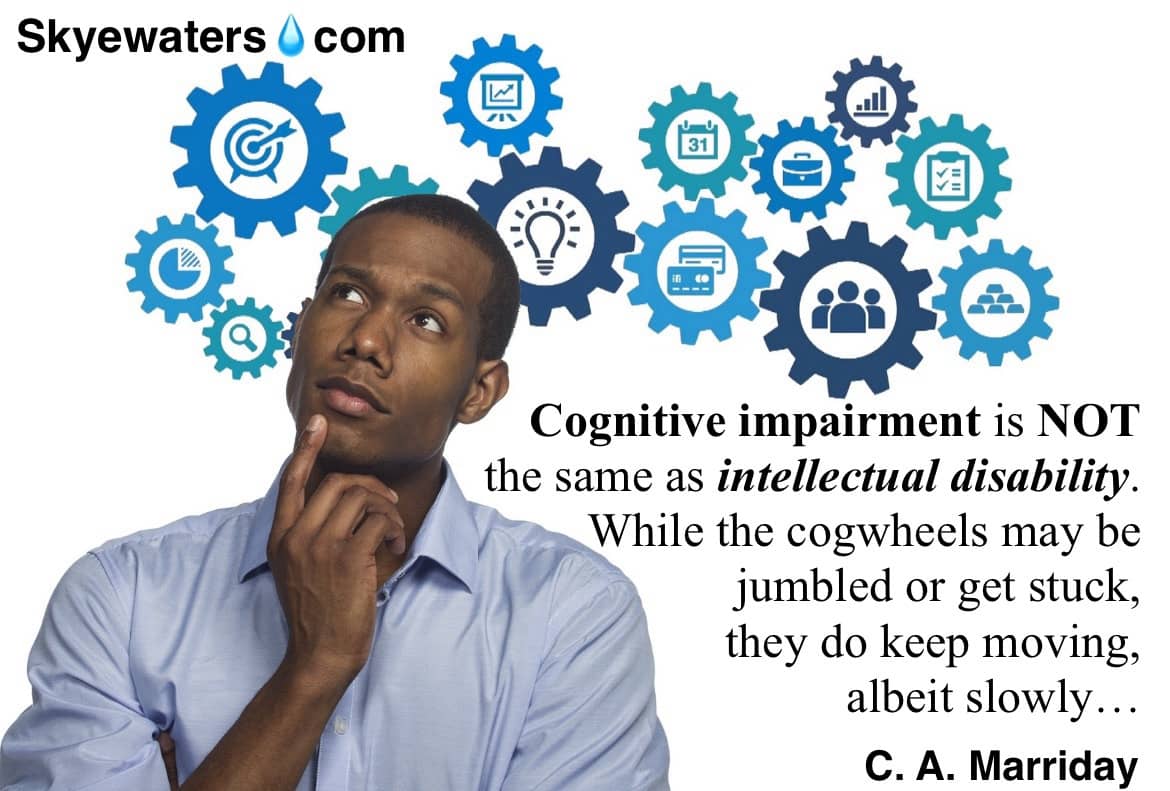
I know I did. I couldn’t understand why my brain was struggling with simple daily tasks to doing my job. Chaos crept in at a snails pace and wreaked havoc in stealth mode.
“Cognitive dysfunction is one possible complication of any brain disorder. Brain bleeds and their treatment may cause physical changes to brain tissue and can lead to diffuse cognitive deficits, including problems with attention, memory, executive functioning, and information processing. Executive functioning problems include difficulty with executing “everyday actions,” such as carrying out a sequence of actions, planning a task, beginning a task, knowing when one has completed a task, or even becoming “lost” while in the middle of a task. Executive functioning problems are highly related to problems carrying out everyday activities.
A hemorrhage also affects mood and emotions, and *this is not simply a reaction to a life-threatening event. The area of the brain in which a hemorrhage occurs determines what functions are affected, which could be speech, motor control, cognition, or even emotions. For example, damage to the left temporal lobe is associated with low mood, but damage on the right side can produce manic reactions. Damage in the frontal lobe will often modify emotional processing and behavior.” – Cognitive Remediation After Intracerebral Hemorrhage | Neurological Surgery
*The impairments and deficits, after the fact, are a manifestation of the trauma your brain has been through — NOT a psychological issue. But, when you ask for help and don’t get it, left at the mercy of the damage that’s been done, I can certainly appreciate the potential for a psychological landslide!
There’s more to factor in
When you’re going through it, it can feel like you’re losing your mind. And, for females, perimenopause/menopause only adds to the confusion as your hormones take a nosedive. The crossover of symptoms with a brain injury is eye opening. A literal shitstorm in a teacup situation! Oddly enough this fact seems to escape some medical professionals in the whole equation, in my experience…Instead of figuring it all out to benefit you, they label you “complicated”. Pfft!
I wish I had the answer to why some doctors aren’t upfront about or why they downplay the negative effects of a brain bleed, especially on cognitive function. It would appear to be a case of self-preservation on their part. An assumption I’m happy to be wrong about — though I highly doubt it. Admittedly, I can almost understand why when patients are quick to sue for medical negligence. I suppose the knee jerk reaction of surgeons is understandable when you factor this into the equation. That doesn’t make it right!
Neurosurgeons are only human — they’re not perfect
I remember being told; “The blood will just work its way out” and nothing else. Oh, how I wish I could go back to challenge the unknown, but I can’t. To insist on knowing the deficits I have been left with. There’s so much I would do differently…
While I can’t change the past, I can share my experiences with others in the hope that it might help the next person.
Personally, I have more respect for a surgeon who admits to causing harm, owning it and walking alongside me on my road to recovery – which is not linear and looks different for everyone.
The irony for those of us living with hydrocephalus is the fact that we are literally at the mercy of our neurosurgeon. I also believe that too many of us cannot fully appreciate the harm that’s caused with each surgical procedure we have no choice but to endure.
Admittedly, it’s not always a case of simply changing doctors. I suppose you reach a point where you need to decide for yourself if it’s worth starting over with someone new. In my experience this is not always easy. Some surgically-induced neurological damage (once done) cannot be undone, and the next surgeon you deal with may not want to get involved with you because they can appreciate the extent of it. Not a comfortable place to be in for anyone navigating the condition on their own.
As someone who has changed the specialists I’ve consulted with since my diagnosis 15 times, I’d rather stick with the one I have now. He is not perfect. He makes mistakes, but understanding everything that I’ve written about here helps me to process and make peace with it. Besides, I ALWAYS reserve the right to move on to someone else, if and when the need arises. I think I’ve come a long way with this condition to appreciate the sinister nature of what I have to deal with.
From Me to You
For anyone who has experienced a brain bleed and is struggling, I’d like to offer validation. You are not crazy. Understand that you are living with a brain injury and do yourself a favour, get educated about the effects of a brain bleed, more specifically the area that’s been impacted.
As mentioned before, each lobe of the brain controls certain functions — understanding this connection is key. Also, know the signs and symptoms to be aware of then cross check it with what you are personally experiencing. Remain vigilant and NEVER minimise what you have been through.
I will continue to share my experiences as I try to navigate my way through the darkness that my brain has been flung into. Living with a hidden disability and injury is hard. Sharing my lived experiences and spreading awareness helps my own understanding too. I definitely don’t have all the answers, but I have managed to figure out some strategies and therapies that have helped tremendously.
My situation may be different to yours OR it very well may be the same. All I know is that without proper support, understanding, awareness, education, or help (be it from medical staff, family, friends, colleagues or employers) this can become one of the most isolating, life-altering experiences you will EVER face.
I’m more than happy to walk alongside you on this path as I figure it out, if you are. In fact, if anyone has some tips, tricks, strategies or resources to share from your own lived experiences with a brain bleed, feel free to share them here or message me.